
Barcelona 2-0 Real Madrid: Rashford Shines in El Clasico
Barcelona defeated Real Madrid 2-0 at Camp Nou in the 265th El Clasico, with goals from Marcus Rashford and Ferran Torres. Rashford’s goal marked a symbolic shift, highlighting the evolving nature of the rivalry and the rise of new global talents in Spanish football. Torres’ contribution emphasized Barcelona’s rebuilding strategy focused on youth and collective effort. The match underscored a changing era in one of football’s most storied fixtures.

How Mourinho’s Real Madrid Can Destroy Barcelona
José Mourinho’s Real Madrid could dominate Barcelona by employing a tactical plan focused on compact defending, direct transitions, and targeted pressing. Madrid aims to disrupt Barcelona’s possession by closing central lanes, forcing play wide, and exploiting spaces around Barcelona’s advanced full backs and midfield lines. Using a narrow, intense defensive shape and programmed pressing triggers, Madrid seeks to suffocate Barcelona’s short passing, force risky plays, and capitalize on turnovers, leveraging Mourinho’s defensive organization and emotional intensity.

Robbie Keane: The Street Footballer Who Hit 100
Robbie Keane, though never the fastest or most glamorous Premier League striker, joined the exclusive 100-goal club through craft, instinct, and improvisation. His journey was marked by multiple club stops, proving his sharpness and finishing ability despite inconsistent transfers. Valued for linking play and poaching goals, Keane’s legacy is strongest at Tottenham, where his style and memorable strikes deeply resonated with fans, embodying the art of finishing and teamwork.

Man Utd Trigger €80m Clause to Sign Nico Paz
Manchester United activated Nico Paz’s €80 million release clause, marking a significant investment in their midfield future. The 21-year-old Argentine, known for technical skill and physicality, is seen as a vital link between midfield and attack, fitting Michael Carrick’s vision for a creative, composed player who can operate between the lines. This signing signals United’s commitment to a clear identity, moving away from short-term fixes toward building a dynamic, modern squad.

Can Xabi Alonso Rebuild and Reshape Real Madrid?
Xabi Alonso returned to Real Madrid as head coach, tasked with transforming a star-studded but chaotic squad into a cohesive unit. Unlike his controlled Bayer Leverkusen side, Alonso faces managing egos like Mbappe, Vinicius, and Bellingham by prioritizing tactical zones over individual roles. His midfield experiment with young talents Camavinga, Tchouameni, Valverde, and Bellingham aims to replace Kroos and Modric's leadership, balancing structure with Madrid’s traditional flair and unpredictability.

Why Vinicius Jr Is Real Madrid’s Growing Problem
Vinicius Junior, Real Madrid’s electric left winger, divides fans with his brilliance and volatility. A decisive player known for game-changing moments, he ranks among Europe’s top attackers. However, his frequent confrontations with opponents and referees raise concerns about his attitude and discipline. Coaches appreciate his competitive fire but worry about its emotional toll and potential suspensions. Vinicius’s unpredictable edge challenges both Real Madrid’s tactics and team harmony.

Real Madrid Predicted Lineup vs Barcelona: Mourinho's El Clasico XI
Real Madrid face El Clasico without suspended Vinicius Jr., forcing José Mourinho to adjust his lineup. The predicted 4-2-3-1 formation includes Courtois in goal, Valverde at right-back, Konaté and Huijsen as center-backs, and Mbappé leading the attack. Valverde’s versatility is key for defense and counter-attacks. Courtois remains the undisputed goalkeeper. Mourinho’s selection decisions, especially Vinicius’s replacement, will shape Madrid’s approach against an aggressive Barcelona side.

Arsenal vs Bayern Munich: Why The 2-2 Draw Proves Arsenal Belong Among Europe’s Elite
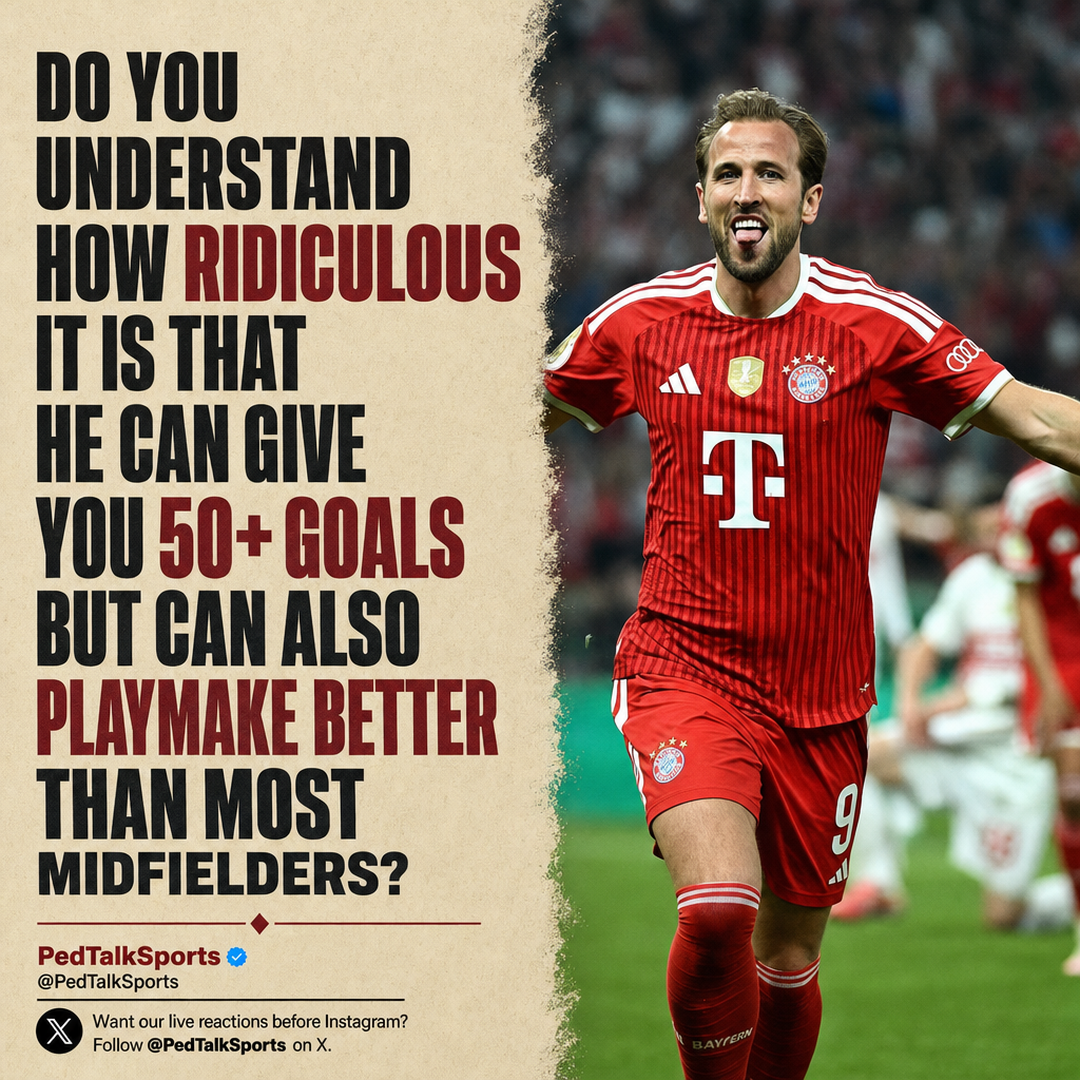
Arsenal’s 2-2 draw against Bayern Munich at the Allianz Arena showcased their growth in Champions League maturity. Despite losing Bukayo Saka early, Arsenal adapted with Eberechi Eze scoring first. Bayern equalized through Alphonso Davies and took the lead via Harry Kane’s penalty. Declan Rice’s late equalizer secured a valuable point. Arsenal controlled possession, created chances, and demonstrated resilience, proving they belong at Europe’s elite level despite not dominating Bayern.

Champions League Shake-Up: Barca Exposed, Real Fearsome
The recent Champions League matchweek revealed three clear patterns: Barcelona’s structural fragility, Real Madrid’s terrifying adaptability, and Manchester United’s lack of ideas. Barcelona’s possession-based style faltered under intelligent pressing, exposing defensive gaps and poor transitional reactions. Their positional play appeared textbook but was ineffective against high pressing. In contrast, Real Madrid demonstrated ruthless, adaptable dominance. Manchester United’s struggles continued, highlighting a widening gap in European football hierarchy as the knockout rounds approach.

PSG’s Tactical Plan After Kvaratskhelia ACL Blow
Paris Saint-Germain's season plan centered on Khvicha Kvaratskhelia, whose ruptured ACL has forced a tactical overhaul. The Georgian winger was key for ball progression, dual threats between the lines, and natural width on the left, crucial for PSG’s attacking structure. Without him, PSG lost their primary left-side chaos creator. Internally, PSG considered maintaining a 4-3-3 with an asymmetric front three, using more direct runners and creative right-sided playmakers, while relying on fullbacks for width.

Man Utd Manager Crisis: Carrick vs Star Coaches
Manchester United faces a critical crossroads, grappling with identity and direction amid months of inconsistent play and unclear tactics. The club considered various managerial options, including Michael Carrick, who symbolizes continuity and evolution rather than revolution. Carrick’s approach focuses on stabilizing the team’s structure with a fixed rest defense, defined roles for the holding midfielder, and coordinated pressing. The crisis highlights the need to optimize player roles and structure rather than overhaul personnel.

Aston Villa vs Viking Champions League Highlights
Aston Villa faced Viking in UEFA Champions League Group Stage Matchday 3 of the 2026-2027 season, both seeking crucial points amid intense competition. The match highlighted Aston Villa’s European ambitions and Viking’s drive to make an impact. Set within a broader elite football calendar featuring global stars, the fixture underscored the high stakes and diverse challenges of the group phase, contributing to the evolving narrative of emerging and established clubs in Europe.

Real Betis vs Feyenoord: Champions League Drama
Real Betis and Feyenoord’s UEFA Champions League matchday 3 clash ended without clear dominance, highlighting both teams’ ongoing quest for European identity. Representing La Liga and the Dutch league respectively, neither side was a clear favorite, reflecting their similar stature in Europe. The intense, high-stakes game underscored the importance of group-stage battles in shaping campaigns. Both clubs faced challenges balancing domestic and continental demands amid a crowded football calendar.

Inter vs Shakhtar: Champions League Matchday 3 Drama
Inter faced Shakhtar Donetsk on Matchday 3 of the 2026-2027 UEFA Champions League, highlighting ongoing challenges for both clubs. Inter, burdened by high expectations, sought to reassert themselves among Europe’s elite, while Shakhtar maintained their reputation as disruptive underdogs capable of unsettling bigger teams. The match symbolized more than three points; it was a critical moment in the group stage, reflecting Inter’s quest for consistency amid intense scrutiny and Shakhtar’s enduring resilience.

Sporting CP vs LASK Highlights: Tactical Champions League Cl
Sporting CP and LASK's Champions League clash highlighted contrasting football cultures and broader European dynamics. Sporting, with a rich history of talent development, sought to prove their Champions League ambitions, while LASK aimed to validate their rise as a disciplined, competitive European side. The match showcased tactical tension between Sporting’s technical control and LASK’s structured counterattacks, reflecting a growing trend of smaller clubs challenging traditional football powerhouses on the continental stage.

Bayern vs Arsenal: Champions League Group Stage Drama
Bayern München and Arsenal faced off in a pivotal Champions League Matchday 3 clash, both seeking validation beyond points. Bayern aimed to prove their rebuilt squad's European dominance, while Arsenal sought to confirm their resurgence on the continental stage. This encounter highlighted the Champions League's role as a defining platform for club legacies, showcasing elite competition and shaping reputations. The match underscored the tournament’s significance in global football narratives.

Serhou Guirassy Is Becoming Borussia Dortmund’s Champions League Difference Maker
Serhou Guirassy scored twice to secure Borussia Dortmund's 2-1 Champions League win over Sabah FK, ending a four-match winless streak. With four goals in three European games, Guirassy has become Dortmund’s key finisher, often rescuing the team in tough matches. Despite Dortmund’s inconsistent performance and missed chances, Guirassy’s decisive strikes proved crucial. Coach Niko Kovač’s tactical shift to a two-striker system, pairing Guirassy with Fabio Silva, also contributed to the victory.

Hansi Flick's Barcelona Face A Huge Test After PSG Defeat
Hansi Flick's aggressive, high-pressing Barcelona system was exposed in a 4-2 loss to PSG, ending their 11-game unbeaten run. Despite fighting back twice, Barcelona struggled with defensive vulnerabilities in transition, allowing PSG to exploit space behind their high line. Flick remained calm, emphasizing growth over perfection early in the season. However, the upcoming El Clásico against Real Madrid poses a stern test to whether Barcelona can address these tactical weaknesses.

Levante 3-1 Athletic Club: Brugue Brace Stuns LaLiga
Levante secured a surprising 3-1 victory over Athletic Club, showcasing control and confidence. Roger Brugue was pivotal, scoring twice and shifting momentum in Levante’s favor. The win signaled Levante’s growing maturity and ability to challenge top teams, boosting supporter belief. For Athletic, the result exposed defensive vulnerabilities and the need for greater intensity. This match could mark a turning point in Levante’s season, highlighting their potential on bigger stages.

Why Lamine Yamal Thrives Under Extreme Pressure
Seventeen-year-old Lamine Yamal stands out for his calmness and composure in high-pressure football moments, defying typical teenage nerves. Unlike many young talents who shine only in low-stakes situations, Yamal thrives when the game is tight and intense, increasing his involvement and taking risks with measured courage. His ability to operate between defensive lines and handle demanding spaces with clean touches earns coaches' trust, marking him as a redefining young talent in football.

Andy Cole: Premier League 100 Club Icon
Andy Cole is celebrated as one of the Premier League’s most prolific strikers, earning a place in the Premier League 100 Club for scoring over 100 goals. His rise began modestly, with a breakthrough at Newcastle United, where his pace, anticipation, and finishing made him feared. A high-profile move to Manchester United saw him refine his game, contributing crucial goals in title-winning campaigns. Cole’s consistency and lethal finishing secured his legacy among English football’s greatest forwards.